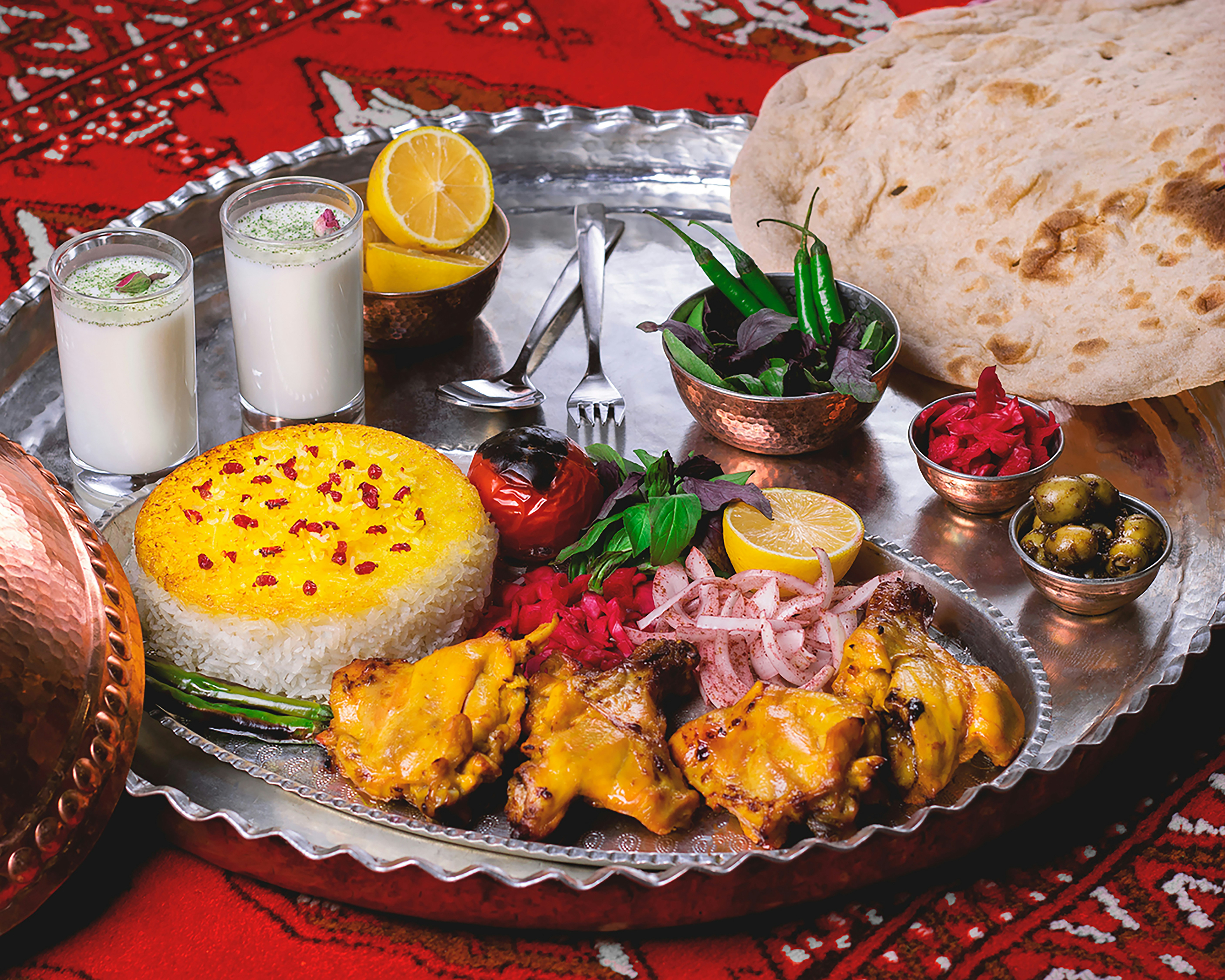
Introduction to Arabic Cuisine
Arabic cuisine, rooted in the traditions and cultures of the Arab world, is a vibrant tapestry of flavors, ingredients, and cooking techniques. Spanning across numerous countries, including Lebanon, Morocco, Turkey, and Egypt, the culinary practices within this cuisine reflect a rich historical background influenced by trade, conquests, and cultural exchanges. The evolution of Arabic dining encompasses diverse regions, each contributing unique dishes and flavors that represent local ingredients and customs.
One of the hallmarks of Arabic cuisine is its emphasis on fresh, high-quality ingredients, often incorporating a variety of spices and herbs that create distinctive flavors. Common ingredients include rice, lamb, chicken, fish, and an array of vegetables. Spices such as cumin, coriander, and cardamom add depth and warmth to dishes, while herbs like parsley and mint offer freshness. This careful selection of components not only enhances the dishes but also celebrates the agricultural richness of the region.
The cultural significance of Arabic cuisine cannot be overstated. It serves as a vehicle for social interaction and community bonding, with meals often shared among family and friends. Traditional feasting is a revered practice, where large platters of food are presented, encouraging sharing and conversation. Additionally, many dishes hold symbolic meanings, connecting food to cultural traditions and religious practices. For instance, during Ramadan, the iftar meal, which breaks the fast, features an array of Arabic delicacies that signify generosity, hospitality, and togetherness.
Through its culinary diversity, Arabic cuisine captivates food lovers worldwide, offering a unique exploration of flavors, aromas, and cooking traditions. As we delve deeper into the specifics of Arabic menus, it is evident that this cuisine not only nourishes the body but also enriches the spirit, making it a beloved choice for many around the globe.
Staple Ingredients in Arabic Cooking
Arabic cooking is renowned for its rich flavors and vibrant dishes, which largely stem from the use of staple ingredients that have been integral to the region’s culinary tradition for centuries. At the heart of Arabic cuisine are spices such as cumin and coriander, which are commonly used to enhance the flavor of various dishes. Cumin, with its warm and nutty flavor, is often added to stews, while coriander brings a fresh and citrusy note, elevating the overall taste profile.
In addition to these spices, staples such as rice and bread play a crucial role in Arabic cooking. Rice, particularly varieties like basmati or jasmine, is frequently served as a base for many plates, absorbing the rich flavors of accompanying sauces and meats. Arabic bread, which includes pita and khubz, is not only a universal accompaniment to meals but also serves as a vehicle for dips and spreads, such as hummus and baba ghanoush, enhancing the dining experience.
Furthermore, fresh vegetables and herbs are essential components of Arabic dishes. Garlic, onions, and tomatoes form the foundation of numerous recipes, providing depth and flavor. Fresh herbs such as parsley, mint, and dill contribute brightness, balancing the richness of the other ingredients. Together, these elements create the unique taste of Arabic food, making it appealing to a wide range of palates.
Understanding these fundamental ingredients and their roles in Arabic cuisine can enhance one’s appreciation of the dishes. Each component contributes to the overall harmony of flavors, making Arabic cooking a delightful experience for food lovers worldwide.
Iconic Arabic Dishes You Must Try
Arabic cuisine is renowned for its rich flavors, diverse ingredients, and vibrant presentation. Among its many contributions, several iconic dishes stand out, capturing the hearts of food lovers worldwide. This section delves into must-try Arabic dishes that embody the essence of this beloved culinary tradition.
One of the most popular dishes is Hummus, a creamy spread made from blended chickpeas, tahini, olive oil, lemon juice, and garlic. Originating from the Levant region, hummus is often served as an appetizer, accompanied by warm pita bread. Its versatility allows for many variations, including additions of roasted red peppers or spices, making it a staple of Middle Eastern dining.
Shawarma is another must-try dish, particularly favored by street food enthusiasts. This savory delight consists of thinly sliced marinated meat, usually lamb, chicken, or beef, cooked on a vertical rotisserie. Shawarma is traditionally served in a wrap or pita, garnished with fresh vegetables and sauces, such as tahini or garlic sauce, creating a flavorful and satisfying meal.
Falafel, made from ground chickpeas or fava beans, is a popular vegetarian option that has gained global fame. These deep-fried balls are seasoned with herbs and spices, offering a crunchy exterior and a soft, flavorful interior. Often served in a sandwich or with a side of tahini sauce and pickles, falafel is cherished not only for its taste but also for its nutritional value.
Each of these dishes represents not only the culinary richness of Arabic cuisine but also the cultural traditions that surround them. They highlight the careful selection of ingredients and the time-honored recipes passed down through generations, creating a gastronomic experience worth savoring.
The Art of Traditional Arabic Meze
Meze, a hallmark of Arabic culinary tradition, is a collection of small dishes served as appetizers that tantalize the palate and spark conversation. These flavorful bites play a vital role in Arabic hospitality, often comprising an array of dishes that are shared among diners, fostering a sense of community and connection. A traditional Arabic meal that involves meze sets the stage for an inviting atmosphere, where food serves not only as sustenance but also as a means of celebration and togetherness.
The selection of meze can vary significantly from one region to another, with each featuring its own unique flavors and specialties. Classic dishes typically found in a meze spread include hummus, baba ganoush, tabbouleh, and falafel. Hummus, a creamy chickpea dip, is commonly accompanied by warm pita bread, while baba ganoush offers a smoky, rich flavor derived from roasted eggplant. Tabbouleh—an herbaceous salad bursting with fresh parsley, tomatoes, and a drizzle of olive oil—provides a refreshing counterbalance to the richness of the other dishes. Falafel, deep-fried balls made from chickpeas or fava beans, are often served alongside a tangy tahini sauce.
In addition to their delightful flavors, the presentation of meze is equally important. Often served on large platters, the various meze items are artfully arranged in a colorful display, inviting diners to partake and share. This communal style of dining not only emphasizes the significance of food in Arabic culture but also symbolizes generosity and hospitality. Sharing meze transcends mere dining; it reflects the ethos of Arab culture, wherein sharing meals is a cherished tradition that strengthens social bonds and creates lasting memories.
Exploring Regional Specialties in Arabic Cuisine
Arabic cuisine offers a rich tapestry of flavors and ingredients influenced by the diverse cultures and geographies across the region. Each area boasts unique dishes that reflect local traditions, ingredients, and cooking techniques. From the Levant to the Gulf and North Africa, Arabic food presents an array of regional specialties that delight food lovers worldwide.
In the Levant, which encompasses countries like Lebanon, Syria, Jordan, and Palestine, the cuisine is characterized by fresh vegetables, aromatic spices, and the use of grains such as bulgur and rice. Dishes like tabbouleh, a refreshing salad made from parsley, tomatoes, and bulgur, exemplify the vibrant flavors of this region. Shawarma, a popular street food, features marinated meats cooked on a vertical rotisserie and served in pita bread with various toppings, including tahini and pickled vegetables. The Levantine approach to meze, a selection of small dishes, also reflects a communal dining culture that emphasizes sharing and togetherness.
Traveling to the Gulf States, including Saudi Arabia, the United Arab Emirates, and Qatar, one can find a distinct culinary style shaped by the region’s history of trade and the availability of local resources. Dishes such as kabsa—a spiced rice dish often made with lamb or chicken and accompanied by a variety of side dishes—highlight the region’s flavors and ingredients. Seafood also plays a prominent role in Gulf cuisine, with traditional dishes like machbous and samak mashwi (grilled fish) enhancing the coastal culinary experience.
North Africa, particularly Morocco, Algeria, and Tunisia, offers a rich blend of Berber, Arab, and Mediterranean influences. The iconic tagine and couscous exemplify the slow-cooked techniques and use of spices that define the region. Dishes often incorporate a variety of meats, vegetables, and dried fruits, showcasing the melding of flavors that is a hallmark of North African cooking.
Desserts and Sweets in Arabic Culture
Arabic cuisine boasts an exquisite variety of desserts that are integral to its culinary heritage. Among the most celebrated treats are Baklava and Knafeh, each with deep cultural significance and a rich history that echoes through the ages.
Baklava is perhaps one of the most recognizable Arabic desserts worldwide. This layered pastry is meticulously crafted from thin sheets of phyllo dough, filled with a luscious mixture of chopped nuts, sugar, and spices, all generously drenched in a sweet syrup made from honey or sugar water. The origins of Baklava are often debated, with claims tracing it back to ancient empires across the Middle East and Mediterranean regions. This dessert represents celebration and hospitality, typically served during special occasions such as weddings or Ramadan, symbolizing the joy of sharing and togetherness.
Knafeh, another well-loved dessert, is characterized by its distinct layers of shredded pastry or semolina, soaked in syrup and often enriched with cheese or cream. Originating from the Levant region, Knafeh has various regional adaptations, with each iteration bringing its own twist to the classic recipe. Traditionally enjoyed in large portions, Knafeh is often served warm and garnished with crushed pistachios, providing a delightful contrast to the sweet, creamy interior. It plays a central role during festive occasions, particularly Eid celebrations, embodying the spirit of communal feasting.
Overall, Arabic sweets, such as Baklava and Knafeh, are not merely delicious confections; they are woven into the cultural fabric of Arab society. They signify the richness of Arabic tradition, bringing families and friends together, thereby marking joyous celebrations and cherished memories. Their enduring popularity reflects the profound appreciation for flavor, artistry, and the art of hospitality that is emblematic of Arabic cuisine.
Beverages That Complement Arabic Meals
When it comes to Arabic cuisine, beverages play a pivotal role not just as refreshments but also as an essential part of the dining experience. These drinks are often chosen to enhance the flavors of the food and to facilitate social interactions during meals. Among the most popular traditional beverages are Arabic coffee, mint tea, and a variety of refreshing fruit juices.
Arabic coffee, known as qahwa, is characterized by its strong yet aromatic flavor, typically brewed with lightly roasted beans and often flavored with cardamom. Its significance in Arabic culture transcends mere consumption; it symbolizes hospitality and is frequently served to guests as a warm welcome. The preparation and serving of Arabic coffee is an elaborate ritual, accentuating its importance in social gatherings.
Another staple beverage that perfectly complements Arabic meals is mint tea. This refreshing drink, often served sweetened, is a staple across the Arab world. Mint tea is not only enjoyed during meals but is also a customary offering when entertaining guests. The cooling effect of the mint makes it an excellent palate cleanser, especially after indulging in rich and flavorful dishes.
In addition to these staples, various fresh fruit juices, such as those made from pomegranates, oranges, and lemons, are popular choices. These juices are celebrated for their natural sweetness and vibrant flavors, which mesh harmoniously with the spices commonly found in Arabic dishes. The wholesome ingredients of these beverages not only enhance the overall meal but also add nutritional value, making them a healthy choice.
Overall, the inclusion of traditional drinks like Arabic coffee, mint tea, and fresh fruit juices is essential in enriching the Arabic culinary experience, celebrating the culture, and fostering social connections.
Healthy Aspects of Arabic Food
Arabic cuisine is renowned not only for its rich flavors and variety but also for its numerous health benefits. Many traditional Arabic dishes are crafted using fresh, locally-sourced ingredients, which play a vital role in promoting a balanced diet. The emphasis on vegetables, legumes, and whole grains provides essential nutrients that can positively influence overall health and well-being.
One of the notable aspects of Arabic food is its extensive use of spices and herbs. Ingredients such as cumin, coriander, turmeric, and mint are not just flavor enhancers; they are packed with antioxidants and anti-inflammatory properties. These spices can aid in digestion, boost metabolism, and contribute to a healthier immune system. The use of such natural seasonings fosters a culinary experience that is both pleasurable and beneficial.
Another important health aspect of Arabic cuisine lies in its cooking methods. Traditional practices often involve grilling, steaming, or baking rather than frying; this renders the dishes lighter and lower in unhealthy fats. For instance, grilled kebabs and baked samosas offer a flavorful alternative to deep-fried options. Additionally, many Arabic dishes incorporate healthy fats, particularly from olive oil, which is rich in monounsaturated fats that support heart health.
Moreover, the cultural practice of sharing meals, such as in a communal setting, encourages moderation and mindfulness in eating. This aspect promotes balanced portions and allows for the enjoyment of a variety of foods, mitigating the risk of overeating. The overall approach to food in Arabic culture emphasizes moderation, making it easier to maintain a healthy lifestyle.
Overall, traditional Arabic food provides a nutritious foundation that can support a healthy diet. Its reliance on fresh ingredients, health-promoting spices, and wholesome cooking techniques positions it as a delicious and nourishing option for food lovers seeking a balanced approach to eating.
Conclusion: A Culinary Journey of Discovery
Throughout this exploration of Arabic cuisine, we have delved into a rich tapestry of flavors, ingredients, and culinary traditions that characterize the diverse culinary practices of the Arab world. From the aromatic spices of Moroccan tagines to the sumptuous grilled meats of Lebanese fare, each dish offers a unique glimpse into the cultural heritage and history of the region. The emphasis on communal dining, reflected in the sharing of plates such as mezze, exemplifies the warmth and hospitality that is at the heart of Arab culture.
Key highlights of Arabic menus include a variety of options catering to different taste preferences, showcasing dishes that incorporate grains, vegetables, meats, and fresh herbs. The integration of spices not only enhances the taste but also elevates the overall dining experience, making it essential for every food lover to appreciate the intricate nuances that define Arabic cooking. Moreover, vegetarian and vegan selections abound, ensuring that these menus resonate with dietary preferences and provide a wealth of options for all diners.
We encourage our readers to embark on their culinary journey by trying out traditional Arabic recipes in their own kitchens or visiting local restaurants that specialize in these dishes. Each experience promises to reveal the delightful complexity of the flavors and techniques used in Arabic cuisine. By engaging with this vibrant culinary tradition, you open the door to a world of discovery that highlights the joyous celebration of food and culture found in the Arab world.